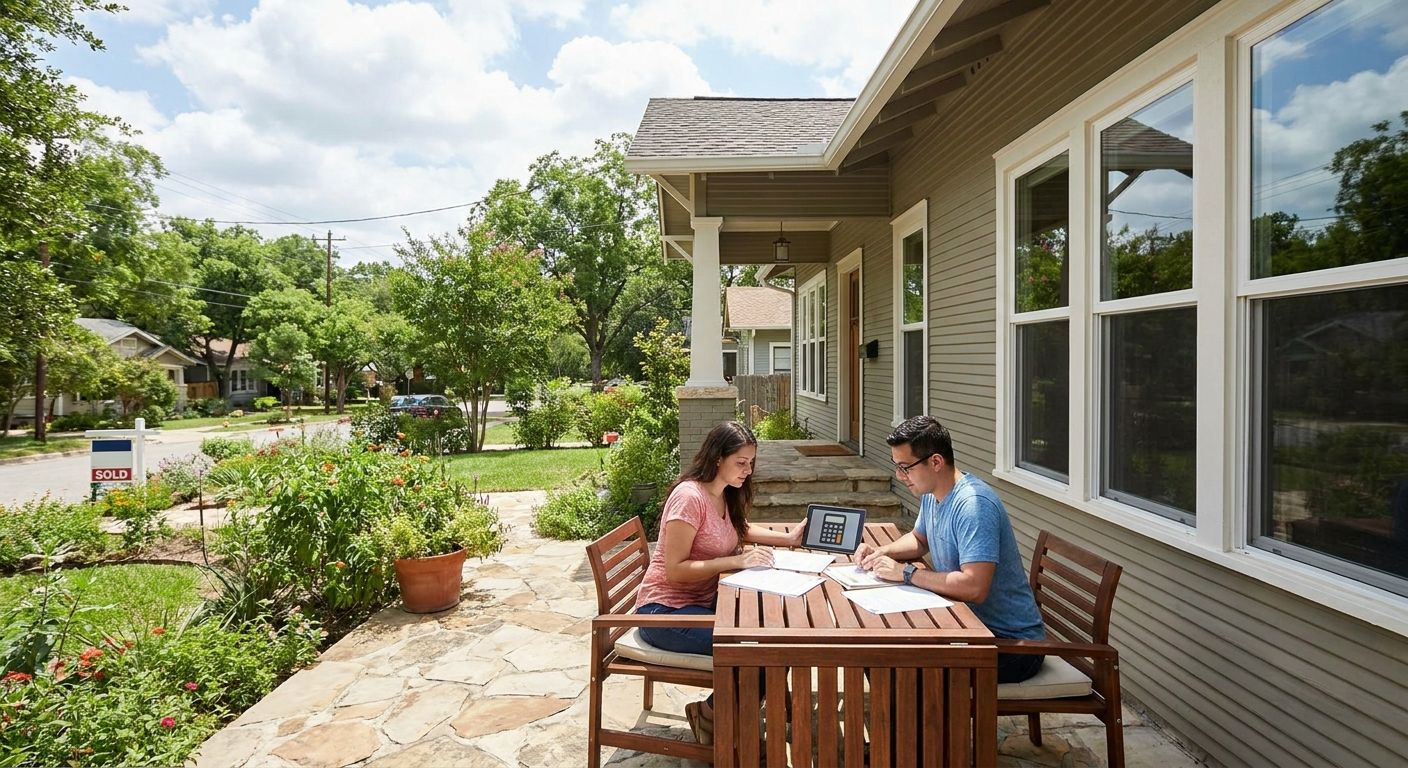
Budgeting for new windows on an Austin home comes down to three numbers: material cost per window, total window count, and the contingency you hold back for Central Texas heat and UV exposure. Get those three right before you call a single contractor and the rest of the project stays predictable.
- Vinyl austin home windows run $400-$900 installed per window under 2026 national cost estimates — budget from that floor, not a guess.
- Fiberglass and wood units cost $700-$1,200 per window but hold up better against Austin's UV and heat swings.
- A full-home window replacement in Austin typically lands between $8,000 and $24,000 depending on count and material.
- Get a written estimate before setting a final number — verbal quotes on austin home windows are not a budget.
Why this matters
Austin homes carry two cost pressures most national window calculators ignore: summer heat that pushes low-E glass from a nice-to-have to a requirement, and older housing stock near Zilker, Travis Heights, and Old West Austin with non-standard window openings that cost more to fill. A budget built on a national average alone will come in short here.
AWE Build prices Austin home windows through a written estimate, not a phone quote, because opening size and glass package swing the number more than most homeowners expect. Skip that step and your budget is a guess dressed up as a plan.
City of Austin also requires permits for most exterior window replacements, and homes inside historic overlay districts face additional design review. Both add time and, sometimes, cost \u2014 build them into your number before you fall in love with a bid.
What you'll need
- Exact window count for the project (not "most of the house" \u2014 count every opening)
- Rough width and height for each window, even a tape-measure estimate
- Photos of each window from outside and inside
- Your home's age and neighborhood, since it affects permit and HOA rules
- 2-3 written estimates from licensed, insured contractors
- A target install window \u2014 spring and fall are the busiest seasons for Austin window crews
- 10-15% set aside as a contingency line, not spent on anything else
The steps
1. Count and measure every window opening
This single step keeps every downstream number honest. A 12-window home and an 18-window home are different budgets entirely, and eyeballing the count from memory is the most common way homeowners undershoot by 20-30%. Walk the exterior with a notepad, room by room, and mark bay windows and picture windows separately since they price differently than standard double-hungs. Expected outcome: a written list with room name, rough dimensions, and window type for every opening.
2. Pick a material tier before you shop quotes
Material choice moves your total more than any other decision. Vinyl is the budget entry point; fiberglass and wood cost more up front but resist warping under sustained Austin heat better over a 15-20 year horizon. Decide your tier before contractors quote you, or you'll end up comparing apples to oranges across three bids. Common mistake: comparing a vinyl bid against a fiberglass bid and assuming the cheaper number is the better deal.
3. Check permit and HOA rules for your address
Austin permitting adds a step \u2014 and sometimes a fee \u2014 that a lot of first-time budgets skip entirely. Homes in historic overlay districts or HOA-governed subdivisions may face design review on window style, grid pattern, or exterior color, which can delay the timeline by weeks. Call your HOA or check the City of Austin's permitting page for your address before you finalize a start date. Expected outcome: a clear yes/no on whether design review applies to your home.
4. Get 2-3 written estimates, not verbal quotes
A verbal number over the phone is not a budget \u2014 it's a placeholder. Written estimates force a contractor to commit to window count, material, glass package, labor, and disposal, which is where most of the real cost hides. Compare best window contractors for Austin homeowners against each other line by line, not just by the bottom-line total. Common mistake: picking the lowest number without checking whether it includes trim work and haul-away.
5. Add a 10-15% contingency and don't touch it
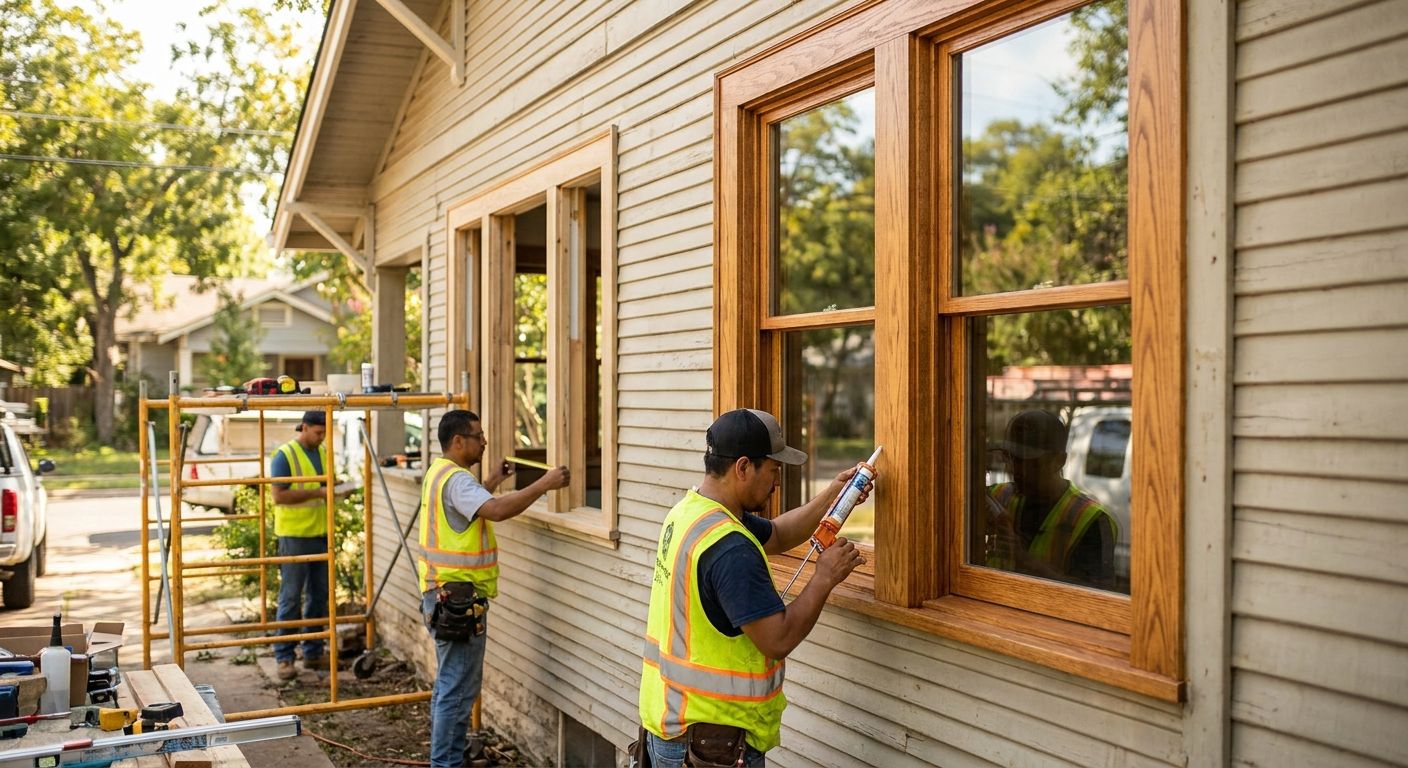
Older Austin homes routinely reveal rot, out-of-square framing, or non-standard openings once the old window comes out \u2014 all of which add cost mid-project. A 10-15% contingency absorbs that surprise without blowing the whole budget. Set this number aside in a separate line item, not folded into your "maybe" spending. Expected outcome: a budget that survives the first surprise instead of stalling the project.
6. Compare U-factor and SHGC, not just price
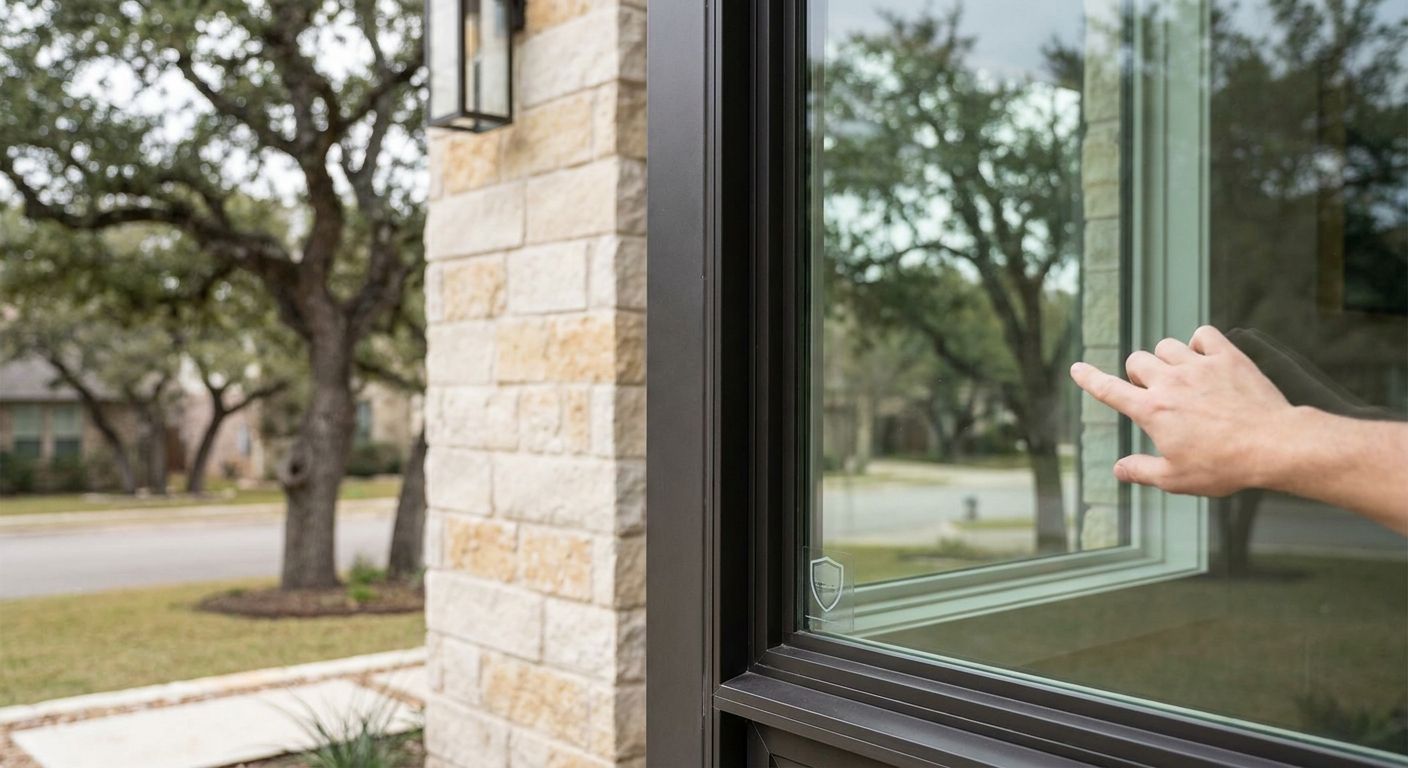
Two windows priced identically can perform very differently in Austin summers. U-factor measures heat transfer and SHGC (Solar Heat Gain Coefficient) measures how much solar heat gets through the glass \u2014 lower numbers on both matter more here than in cooler climates. Ask every contractor for these ratings in writing on the estimate, not a verbal "they're energy efficient." Common mistake: choosing the cheapest glass package without checking either rating.
7. Lock in a payment schedule and timeline before signing
A fair payment schedule ties payments to completed milestones, not a large deposit up front with the balance due whenever. Confirm the install window in writing, especially if you're targeting spring or fall when Austin crews book out weeks in advance. Expected outcome: a signed estimate with dates, milestones, and payment amounts spelled out \u2014 no ambiguity left for either side.
Get a written estimate for your Austin windows
A senior estimator prices your project — no phone-quote guessing.
Troubleshooting
Estimate came in higher than every online calculator said it would. National averages don't account for Austin's older window openings or historic district requirements \u2014 a written, itemized estimate almost always beats a generic online number for accuracy.
Contractor won't put pricing in writing. Treat this as a hard stop. A written estimate is the only version of a price that protects your budget once work starts.
HOA or historic review rejected the proposed window style. Ask about approved alternatives before resubmitting \u2014 some historic-district homes pair standard window replacement with period-appropriate exterior details to satisfy design review.
Your house has non-standard window sizes. Custom sizing costs more than stock sizes, sometimes 15-25% more per opening, so flag this early with every estimator rather than discovering it after the third quote.
Permit approval is delaying your start date. Submit for permits as soon as you sign a contract, not after \u2014 City of Austin review timelines can push a spring install into summer if you wait.
Tools and resources
- A written, itemized estimate from a licensed and insured contractor
- A checklist for evaluating window experts in Austin before hiring so you're comparing qualified bidders, not just prices
- Your HOA's architectural guidelines, if applicable
- The City of Austin's residential permitting page for your address
- A tape measure and notepad for the initial window count
“If your written estimate doesn't list a U-factor for every window, get a second one.”
What to do next
Once your budget range is set, the next decision is which window style and configuration fits your home \u2014 that's a separate call from cost alone. Read how to choose window replacement for your Austin home before you finalize a material tier, since style and performance decisions here often shift the final number by a few hundred dollars per window.
FAQ
How much do austin home windows cost in 2026?
Vinyl windows installed run $400-$900 per window under 2026 national estimates, with fiberglass and wood running $700-$1,200 per window. A full-home project in Austin typically totals $8,000-$24,000 depending on window count and material.
Is fiberglass better than vinyl for Austin heat?
Fiberglass holds its shape better under sustained heat and UV exposure than vinyl over a 15-20 year window, though it costs more per unit. Vinyl remains the lower-cost entry point and performs fine for most standard-size openings.
Do I need a permit to replace windows in Austin?
Most exterior window replacements in the City of Austin require a permit, and homes in historic overlay districts face additional design review. Check your address on the city's permitting page before scheduling install.
How much contingency should I budget for a window project?
Set aside 10-15% of your total budget as a contingency line for surprises like rot or out-of-square framing found once the old window is removed. Older Austin homes reveal this kind of issue more often than newer construction.
What's the difference between U-factor and SHGC?
U-factor measures how much heat transfers through the window; SHGC (Solar Heat Gain Coefficient) measures how much solar heat passes through the glass. Lower numbers on both matter more in Austin's climate than in cooler regions.
Should I get a verbal quote or a written estimate?
Always get a written estimate — a verbal quote skips window count, material, glass package, and labor detail, which is where most cost surprises hide. A written estimate is the only number you should actually budget against.
How long does a window replacement project take in Austin?
Timeline depends on window count and permit review, but spring and fall are the busiest install seasons for Austin crews, so booking weeks ahead avoids delays. Historic district homes may add extra weeks for design review.
Can I replace just some windows now and the rest later?
Yes — phased replacement is common and lets you spread cost across budget cycles, though matching glass packages and trim across phases keeps the finished look consistent. Get a written estimate for the full house even if you're only doing phase one, so pricing stays comparable.
One last thing
The number that sinks most Austin window budgets isn't the glass \u2014 it's the framing repair nobody priced in. Homes built before the 1980s frequently reveal rotted sill plates or out-of-square openings the moment the old window comes out, and that's exactly what your 10-15% contingency is for. Skip the contingency line and even a precise written estimate can leave you short by the time crews are on site in 2026.