Shutters can make or break the curb appeal of a 1930s Tudor Revival or a mid-century ranch in Old West Austin, and getting the installation wrong is expensive to undo. This guide covers what actually matters for shutter installation old west austin homeowners deal with — historic district review, sizing, material, and how it lines up with a window replacement project.
- Real wood board-and-batten shutters clear Old West Austin's historic-district review; vinyl decorative panels usually get flagged.
- Size shutter panels to cover half the window width when closed — most stock kits are cut wrong for older window openings.
- Plan shutter installation old west austin projects right after a window replacement so mounting holes match the new rough opening.
- Aluminum storm shutters cost more upfront but hold up better through Central Texas hail season than painted wood.
Why this matters
Old West Austin is a National Register historic district covering neighborhoods like Bryker Woods, Pemberton Heights, and Enfield, and a lot of the housing stock dates to the 1930s through the 1950s. Shutters that read as authentic on a Colonial Revival or Tudor cottage look cheap on the same house if the material, proportion, or hardware is off. That's a bigger problem here than in a newer subdivision, because the wrong shutter can draw a civic association objection or just look wrong against original brick and stone.
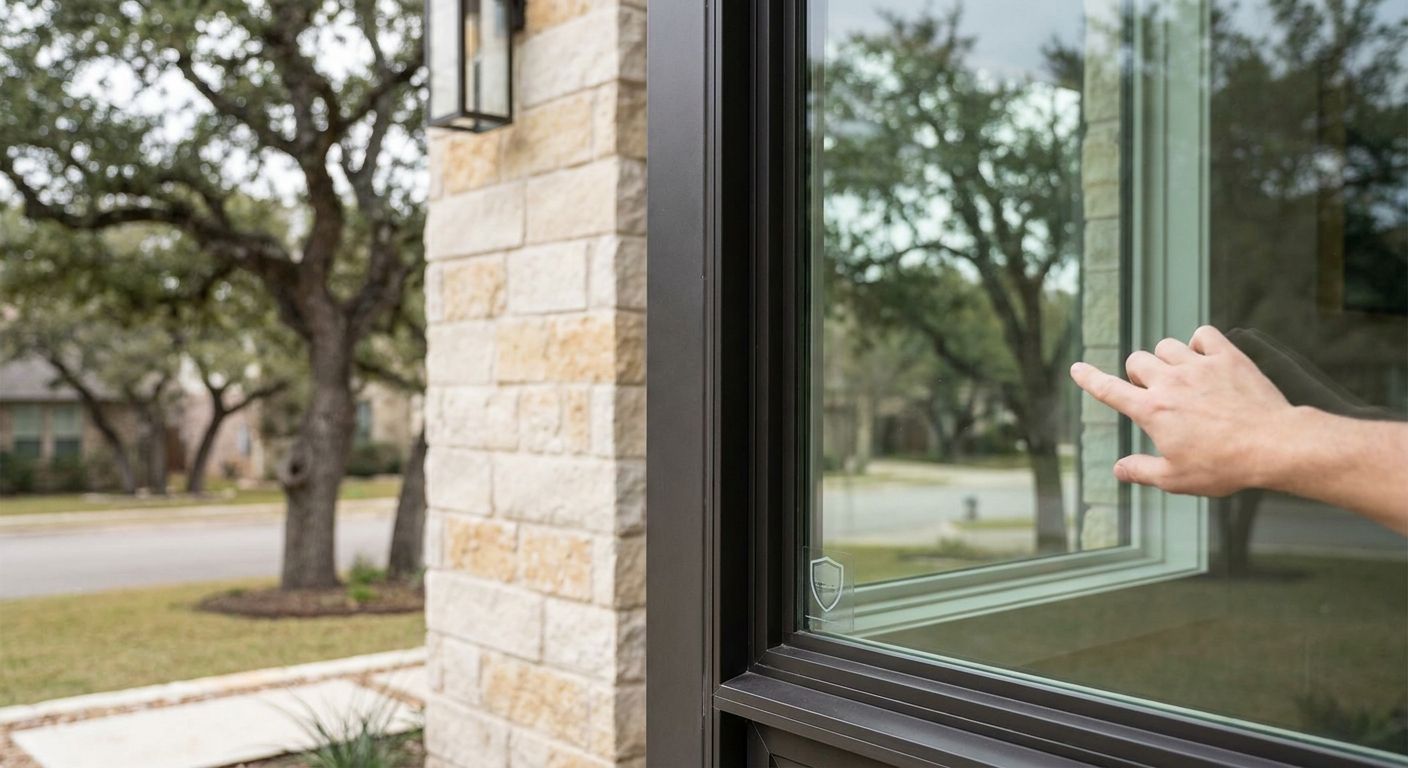
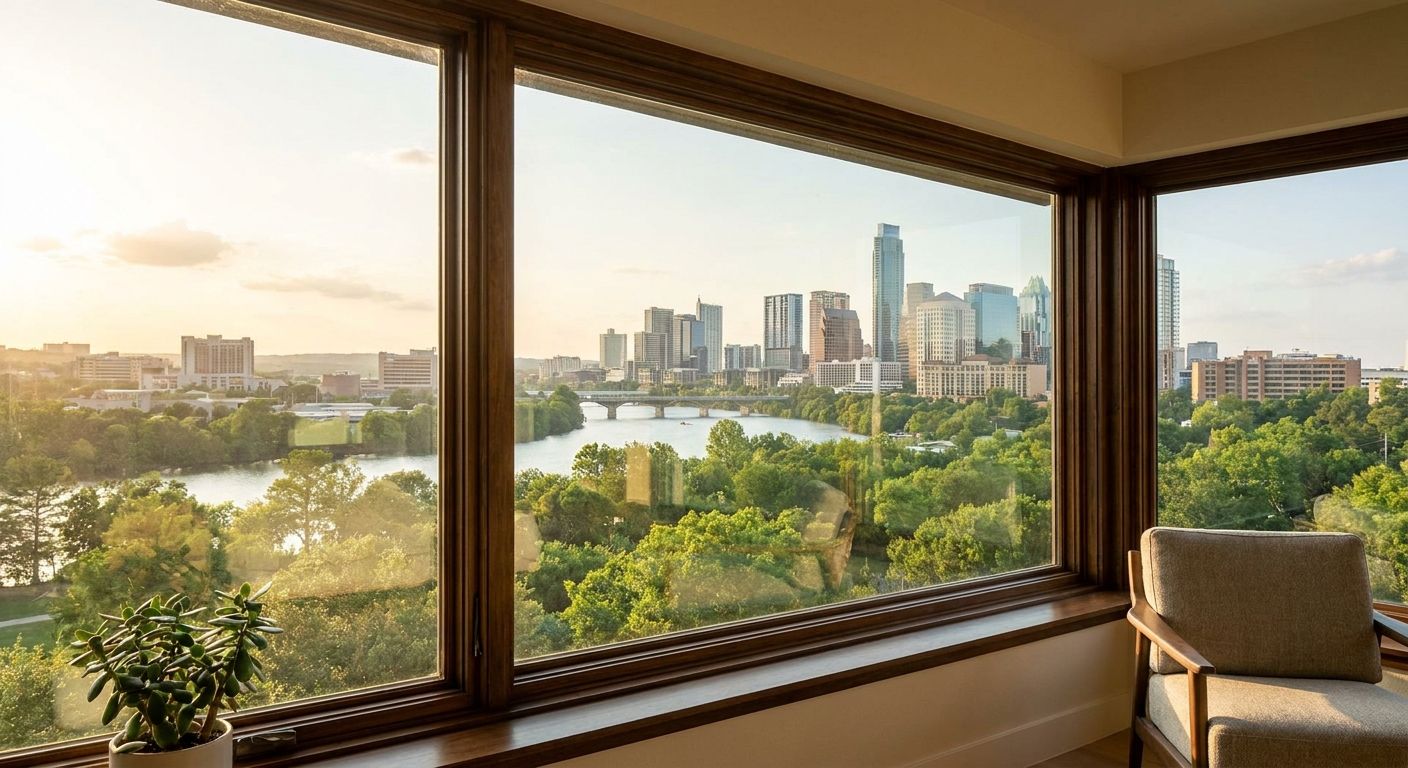
If you're also mid-project on window replacement, this is the moment to plan shutters — not after. Rough openings shift slightly when old wood-frame windows come out and new units go in, and shutter brackets mounted before that work often end up misaligned. AWE Build's guide to choosing window replacement for an Austin home walks through sizing and material decisions that directly affect where shutter hardware ends up.
Who this is for
This is written for homeowners in Old West Austin's historic overlay — Bryker Woods, Pemberton Heights, Enfield, and the surrounding streets — who are adding or replacing exterior shutters on a pre-1960 house. It also applies if you're a general contractor scoping a renovation that includes exterior trim work and need a fast reference on what materials and dimensions actually pass review in this part of Austin.
What to look for in shutter installation for Old West Austin homes
Material that matches the period
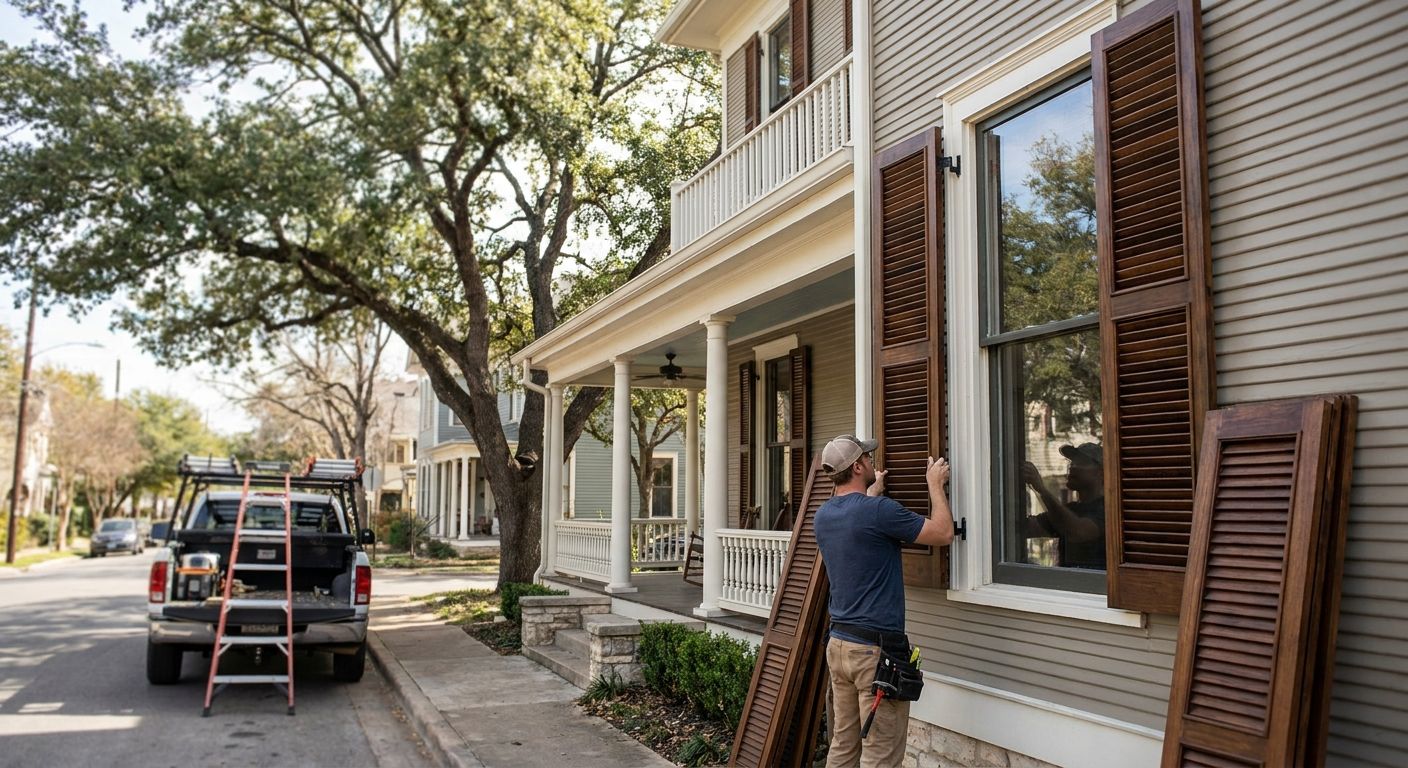
Wood-frame homes from the 1930s-1950s were built with real wood shutters, and most historic-district guidelines still expect that look even if the material has evolved. Basswood, cedar, and high-density composite that's been painted to hide the seam lines all pass visual review; thin PVC decorative panels usually don't. If your house sits inside the mapped historic boundary, check material rules before you order anything.
Operable vs. decorative mounting
A shutter that's meant to look functional needs hinges and a panel wide enough to actually cover the window opening when closed — half the total window width per panel, roughly. Decorative shutters bolted flat to the wall in a narrower width look thin and fake next to a genuine 1940s facade. Old West Austin's architecture rewards the operable look even when the shutters never actually close.
Weather resistance for Central Texas swings
Austin runs from 100-degree August heat to sudden hard freezes, and humidity swings hard between spring and summer. Untreated wood shutters warp and crack within a few seasons without a quality exterior primer and repaint cycle every 3-5 years. Composite and fiberglass options resist warping better and are worth the tradeoff on south- and west-facing walls that take direct sun most of the day.
Color and hardware within neighborhood norms
Old West Austin's civic associations generally expect muted, period-appropriate colors — black, dark green, navy, or a color pulled from the house's existing trim. Bright or saturated colors outside that range can trigger a design review conversation you don't want mid-project. Hardware matters too: cast hinges and hold-backs read as authentic; plastic clip-on hardware doesn't.
Exact sizing to the window opening
Stock shutter kits are usually cut for standard modern window widths — 24, 28, or 32 inches. Original 1930s-1950s window openings in Old West Austin often fall outside those standard sizes, which means stock shutters either overhang or leave gaps. Measure the actual rough opening, not the sash, before ordering.
Timing against a window replacement
If window replacement is already on the schedule, shutter installation should happen after the new units are in, not before. New window frames can shift the opening dimensions by an inch or more depending on the product, and shutter brackets mounted to the old frame won't line up with the new one.
Shutter types worth considering
Real wood board-and-batten — the historic-district safe pick. Basswood or cedar panels finished with exterior-grade paint clear most Old West Austin design reviews without a fight. Expect a repaint cycle every 3-5 years to keep the finish from cracking in Austin summers. Buy if your house sits inside the mapped historic boundary and authenticity matters for resale or review.
Composite louvered shutters — the low-maintenance pick. High-density polymer or fiberglass composite holds paint longer than wood and doesn't warp in humidity swings, and most quality composite lines are indistinguishable from wood at 10 feet. Consider this for houses outside the strict historic overlay where upkeep matters more than material purity.
Thin vinyl decorative shutters — the budget wildcard. These run cheaper than wood or composite but the panel width rarely matches older window openings, and the thin profile looks flat against brick or stone facades common in this neighborhood. Skip for anything inside Old West Austin's historic boundary — civic reviewers flag these more than any other material.
Aluminum storm shutters — the storm-ready pick. Heavier-gauge aluminum panels function as actual storm protection, not just decoration, which matters given Central Texas hail season. They need reinforced mounting because of the added weight, so factor that into installation cost. Consider for homes on more exposed lots or anyone who's had hail damage before.
Custom cedar with working hardware — the true-to-period pick. Full-hinge cedar shutters with cast hold-backs match original 1930s-1950s construction almost exactly and tend to sail through historic review. Cost runs higher than stock options because of the custom milling and hardware. Buy if you're restoring a house with documented historic status and want zero friction with the civic association.
What to avoid
- One-size stock shutters mounted without remeasuring the opening. They're built for standard modern window widths, and older Old West Austin homes rarely match those dimensions exactly — the mismatch is obvious from the street.
- Screws driven straight into original siding without furring strips. This traps moisture behind the cladding, and Austin's humid summers turn that into rot within a couple of seasons.
- Bright, non-traditional colors chosen before checking neighborhood guidelines. A color that looks great on a paint chip can trigger a design review conversation that delays the whole project.
Get a straight-talk estimate on window and exterior work
A senior estimator reviews your project before shutters go on the schedule.
Verdict comparison
| Material | Historic-district fit | Maintenance | Best for | Verdict |
|---|---|---|---|---|
| Real wood board-and-batten | High | Repaint every 3-5 years | Homes inside the historic boundary | Buy |
| Composite louvered | Medium-high | Low | Low-maintenance priority | Consider |
| Thin vinyl decorative | Low | Very low | Non-historic lots on a budget | Skip |
| Aluminum storm | Medium | Low | Storm-exposed properties | Consider |
| Custom cedar with hardware | Very high | Repaint every 3-5 years | Documented historic restorations | Buy |
FAQ
What's the best shutter material for Old West Austin homes?
Real wood or high-density composite board-and-batten shutters clear most Old West Austin historic-district reviews in 2026. Thin vinyl decorative panels are the most common rejection.
Do I need approval to install shutters in Old West Austin's historic district?
Homes inside the mapped historic boundary typically need to follow neighborhood design guidelines on material, color, and proportion. Check with the local civic association before ordering shutters.
Should shutters be installed before or after window replacement?
Install shutters after window replacement, not before. New window frames can shift the rough opening by an inch or more, which misaligns shutter brackets mounted to the old frame.
How wide should exterior shutters be for an older window?
Each shutter panel should cover roughly half the total window width when closed. Older Old West Austin window openings often fall outside standard stock sizes, so measure the actual opening first.
Are vinyl shutters ever a good choice for historic homes?
Generally no — thin vinyl panels rarely match the width of original window openings and look flat against brick or stone facades common in the neighborhood. Wood or composite holds up better against design review.
How often do wood shutters need repainting in Austin?
Wood shutters in Central Texas typically need repainting every 3-5 years because of heat and humidity swings. Composite options stretch that interval out with less cracking.
Do aluminum shutters work as storm protection?
Heavier-gauge aluminum storm shutters function as real protection against hail, not just decoration. They need reinforced mounting hardware because of the added weight compared to wood or composite.
One last thing
The detail that trips up more Old West Austin projects than anything else isn't material or color — it's panel width measured against the wrong opening. Stock kits are cut for modern standard window widths, and a lot of the housing stock here predates that standard by decades. Measure the actual rough opening before you order anything, especially if window replacement is part of the same project.